




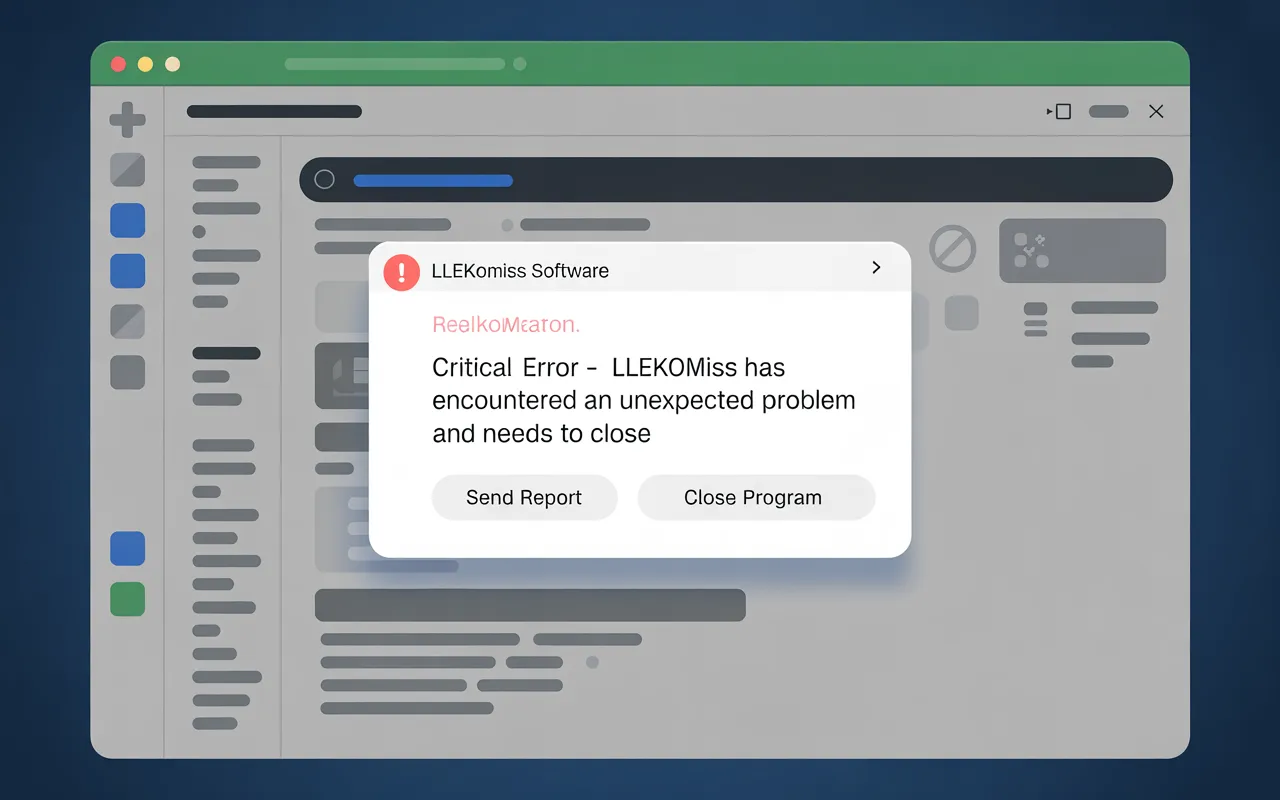
Software is designed to make our lives easier, but even the most reliable programs can run into unexpected issues. The problem on LLeKomiss software is something many users encounter, and it can range from minor glitches to functionality interruptions that halt critical work. Whether you’re a developer, a business professional, or an everyday user, understanding the causes and solutions is key to maintaining productivity. In this article, we’ll explore the most common problems on LLeKomiss software, practical ways to troubleshoot them, and strategies to prevent future issues. By the end, you’ll feel confident in tackling these challenges head-on and keeping your operations running smoothly.
Common Causes of the Problem on LLeKomiss Software
The first step in resolving the problem on LLeKomiss software is identifying the root cause. Often, issues arise from outdated software versions. Running an older build can lead to compatibility problems, missing features, or unexpected errors. Ensuring your software is up-to-date can resolve many of these challenges immediately.
Another frequent cause is conflicts with other programs or system configurations. Background applications, firewall restrictions, or antivirus software may interfere with LLeKomiss, leading to crashes or slow performance. Understanding your system environment and isolating these conflicts is critical to troubleshooting effectively.
Hardware limitations also play a role. Insufficient memory, outdated graphics drivers, or limited storage can cause errors that appear as software problems. Evaluating whether your hardware meets the recommended requirements for LLeKomiss is a simple but often overlooked step in problem-solving.
Troubleshooting Steps for LLeKomiss Issues
Once the root cause is identified, the next phase is troubleshooting. Start with basic checks: restart the application, clear temporary files, and reboot your computer. These simple steps often resolve temporary glitches.
Next, verify that all software updates and patches have been applied. LLeKomiss releases regular updates that address known bugs and security vulnerabilities. Applying these updates ensures that your system benefits from the latest fixes.
If problems persist, examine your system configuration. Look for conflicting applications, permission restrictions, or network settings that could be affecting performance. Adjusting firewall settings or temporarily disabling other programs can reveal the source of the conflict.
In cases where the issue is complex, consulting the LLeKomiss log files provides detailed information. Logs capture errors and system behavior, offering insight into recurring problems. This methodical approach ensures that you don’t just treat symptoms but tackle the underlying issue.
Real-World Example: Resolving a Critical Error
Consider the case of a mid-sized firm using LLeKomiss for project management. One day, users reported frequent crashes whenever they tried to generate reports. The IT team first checked software versions and found that several users were running an older build. After updating the software, crashes continued intermittently.
The team then investigated system conflicts and discovered that an antivirus program was blocking certain LLeKomiss modules. Adjusting the antivirus settings and adding LLeKomiss to the exceptions list resolved the crashes completely. This example highlights the importance of a structured troubleshooting process and careful observation of system interactions.
Preventing Future Problems
Prevention is always better than cure. For the problem on LLeKomiss software, regular maintenance is crucial. Schedule updates, check for system compatibility, and monitor performance metrics to detect anomalies early.
Training users is equally important. Many software problems stem from misuse or unfamiliarity. Providing guidance and clear procedures for using LLeKomiss minimizes errors and improves efficiency.
Additionally, consider implementing backups and restore points. If a problem does occur, being able to roll back to a stable configuration reduces downtime and ensures continuity. This proactive approach is essential for both individual users and organizations relying on LLeKomiss.
Advanced Solutions and Support
For persistent or complex issues, reaching out to professional support is recommended. LLeKomiss offers dedicated support channels and community forums where users share solutions. Engaging with these resources often provides insights that are not covered in standard manuals.
Advanced users can also explore configuration adjustments or scripting options within LLeKomiss. These solutions allow customization that addresses specific organizational needs and optimizes software performance. Taking advantage of expert tips can dramatically reduce the frequency and severity of recurring problems.
Addressing User Concerns
Some users may worry that troubleshooting will be too technical or time-consuming. While it can require some patience, following a structured approach simplifies the process and often resolves issues quickly.
Others may fear that frequent problems indicate unreliable software. However, LLeKomiss has a strong track record of stability when maintained correctly. Most issues are preventable with updates, proper system configurations, and informed usage.
Read Also: Emerging Trends PBLinuxTech You Need to Watch
Conclusion
The problem on LLeKomiss software can feel frustrating, but with the right approach, it’s manageable. By identifying root causes, applying systematic troubleshooting, and taking preventive measures, users can maintain smooth and efficient operations. Remember to keep software updated, monitor system interactions, and seek expert guidance when needed.
If this guide helped you, consider sharing it with colleagues, subscribing for more tips, or leaving a comment about your experiences. Taking proactive steps today ensures that LLeKomiss continues to support your work without interruption.


