


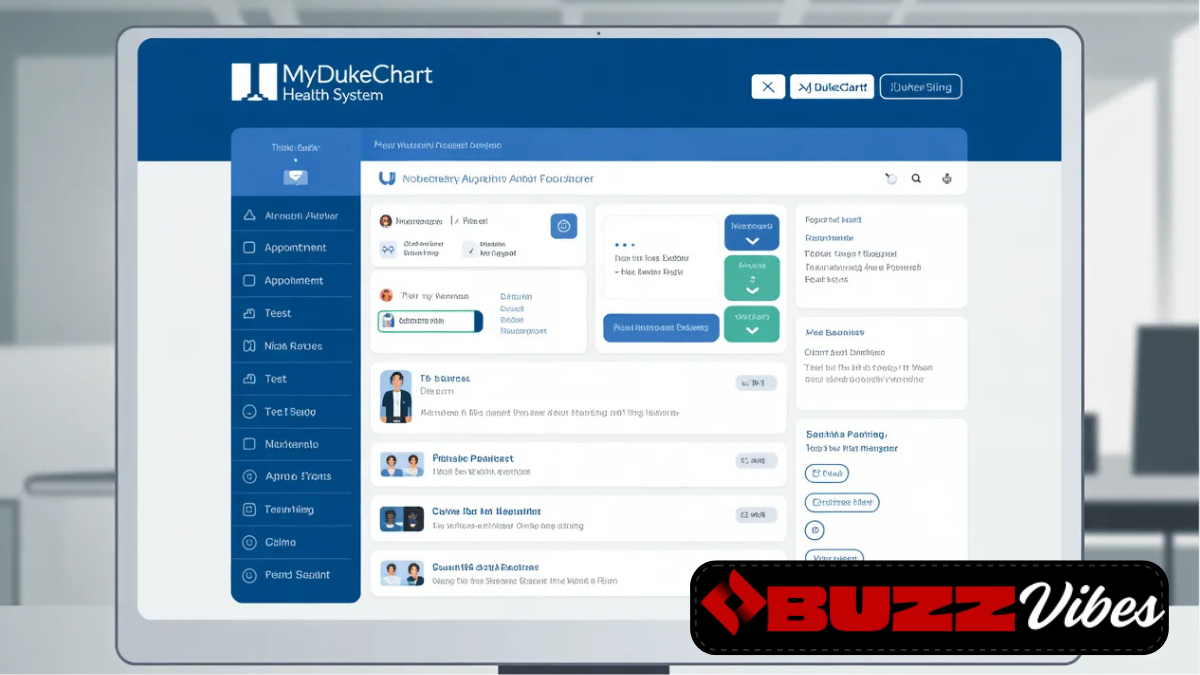
MyDukeChart has quietly become one of the most important tools for Duke Health patients who want more control over their care. If you have ever waited on hold to reschedule an appointment, hunted through paperwork for lab results, or wondered whether your doctor received your message, you already know how frustrating traditional health care communication can be. MyDukeChart was designed to remove much of that friction. It puts your health information, appointments, and communication tools in one secure place that you can access anytime. In this guide, you will learn how MyDukeChart works, why so many Duke patients rely on it, and how you can use it to save time, reduce stress, and stay informed. Whether you are managing a chronic condition, caring for a family member, or simply trying to stay organized, this article will show you how to get real value from MyDukeChart.
What Is MyDukeChart and How It Fits into Duke Health
MyDukeChart is Duke Health’s patient portal built on the Epic MyChart platform. It connects you directly to your Duke care team and your medical record in a secure online environment. Through MyDukeChart, patients can view test results, request prescription refills, send non-urgent messages, and manage many everyday health tasks without picking up the phone. Duke Health positions MyDukeChart as a central hub for digital care, making it easier for patients to stay engaged with their treatment plans (https://www.dukehealth.org/duke-mychart).
What makes MyDukeChart especially useful is how tightly it is integrated with Duke’s health system. If you see multiple specialists within Duke, your information flows into one place. That means fewer repeated forms, less confusion, and a clearer picture of your overall health. As of recent updates, Duke Health continues to expand digital access and virtual care options through MyDukeChart, reflecting a broader trend in U.S. health care toward patient-centered technology (https://www.mychart.com).
Why Patients Are Turning to MyDukeChart for Everyday Care
Patients are not just using MyDukeChart because it is available. They are using it because it solves real problems. Instead of waiting days for a call back, many patients can send a secure message and get a response from their care team. That alone can reduce anxiety, especially when you have a simple question about medications or symptoms.
Another reason MyDukeChart is gaining traction is convenience. You can check upcoming appointments, confirm locations, and even handle some forms before you arrive. For busy professionals, parents, and caregivers, this saves hours over time. Duke Health reports that patients increasingly rely on the portal to stay organized and informed, which aligns with national data showing that patient portals improve engagement and satisfaction when used consistently (https://www.healthit.gov/topic/health-it-and-health-information-exchange-basics/patient-portals).
How MyDukeChart Improves Communication with Your Care Team
Clear communication is one of the biggest challenges in health care. MyDukeChart helps close that gap by giving you a direct, documented way to reach your providers. Instead of playing phone tag, you can send a message when it is convenient for you. Your care team can review your message alongside your medical record, which often leads to more accurate and helpful responses.
This also creates a written trail of communication. That matters if you are managing complex care or seeing multiple providers. You can look back at past messages, instructions, and follow-ups. Over time, this history becomes a valuable reference. Many patients report feeling more confident because they can revisit what their doctor said instead of relying on memory alone.
Using MyDukeChart to Track Test Results and Medical Records
Waiting for test results can be stressful. MyDukeChart shortens that waiting period by posting many results as soon as they are available. This transparency is part of a broader federal push for faster patient access to health information, including clinical notes and lab data. Duke Health complies with these requirements, giving patients quicker visibility into their care.
Seeing your results directly can also make your appointments more productive. You can review numbers, trends, and notes before you see your provider. That allows you to prepare better questions and understand what is changing over time. One Duke patient shared that by reviewing her blood work trends in MyDukeChart, she was able to spot improvements and setbacks more clearly, which helped her stay motivated with her treatment plan.
Scheduling, Refills, and Virtual Visits Through MyDukeChart
One of the most practical features of MyDukeChart is the ability to manage logistics. You can request or schedule many appointments online, which reduces phone calls and wait times. Prescription refill requests are also streamlined, making it easier to stay on track with medications. These small efficiencies add up, especially for patients who need regular follow-ups.
Virtual visits are another growing area. Duke Health supports video visits through its digital platforms, and MyDukeChart often serves as the gateway for accessing those services. Virtual care became more common after 2020, and as of recent years, many patients continue to prefer it for routine concerns. This flexibility allows patients to get care without traveling, which is especially helpful for those with mobility issues or tight schedules.
MyDukeChart for Families and Caregivers
Health care is rarely just about one person. MyDukeChart offers proxy access options so that parents, spouses, and caregivers can help manage care for loved ones. This is especially important for children, elderly parents, or adults who need assistance navigating medical systems. Proxy access allows authorized users to view records, schedule appointments, and communicate with providers on someone else’s behalf.
This feature can be a lifeline for families juggling multiple responsibilities. For example, a caregiver managing appointments for an aging parent can use MyDukeChart to keep everything in one place. Instead of relying on scattered notes and phone calls, they can see updates in real time. That reduces mistakes and improves coordination, which ultimately supports better care outcomes.
Security, Privacy, and Trust in MyDukeChart
Any time you put health information online, security is a top concern. MyDukeChart is built on Epic’s MyChart platform, which uses industry-standard security measures to protect patient data. Duke Health emphasizes privacy and compliance with health information regulations, including HIPAA, to safeguard sensitive information (https://www.dukehealth.org/duke-mychart).
That said, it is normal for patients to worry about breaches or misuse of data. The reality is that no system is perfect, but large health systems like Duke invest heavily in cybersecurity. Patients can also protect themselves by using strong passwords, enabling two-factor authentication when available, and avoiding public computers for health access. When patients take these steps, MyDukeChart becomes a secure and reliable tool rather than a risk.
Common Concerns and How to Get the Most from MyDukeChart
Some patients hesitate to use MyDukeChart because they feel it will be complicated or impersonal. They worry that digital tools might replace human interaction. In practice, MyDukeChart is meant to complement, not replace, in-person care. It handles routine tasks so that your face-to-face time with providers can focus on what matters most.
Another concern is technical comfort. Not everyone feels confident using apps or online portals. Duke Health offers support resources and help lines to assist patients who have trouble logging in or navigating features. Once most patients get past the initial setup, they find that MyDukeChart quickly becomes part of their routine. Like online banking, it may feel unfamiliar at first, but it often becomes indispensable.
The Future of Digital Care with MyDukeChart
Digital health tools continue to evolve, and MyDukeChart is likely to expand alongside those changes. As Duke Health adds new services, education resources, and virtual care options, the portal will remain the front door for many of those experiences. This means patients who get comfortable with MyDukeChart now will be better positioned to take advantage of future innovations.
Looking ahead, patient portals are expected to play a bigger role in personalized care, remote monitoring, and data-driven decision-making. MyDukeChart is part of that larger ecosystem. By using it regularly, patients can build healthier habits around tracking, communication, and follow-through. Over time, this can lead to better outcomes and a stronger partnership between patients and providers.
Read Also: Emilio Owen: Who He Is and His Connection to Gary Owen
Conclusion
MyDukeChart is more than just a login page. It is a practical, powerful tool that helps Duke Health patients take charge of their care. From messaging your doctor to tracking test results and managing appointments, it simplifies many of the tasks that once caused frustration and delays. When used consistently, MyDukeChart can save time, reduce stress, and help you feel more confident about your health decisions. If you are a Duke patient and have not fully explored what MyDukeChart offers, now is the time to start. Log in, set up your preferences, and make it part of your routine. Your future self will thank you for taking this simple step toward smarter, more connected care.
